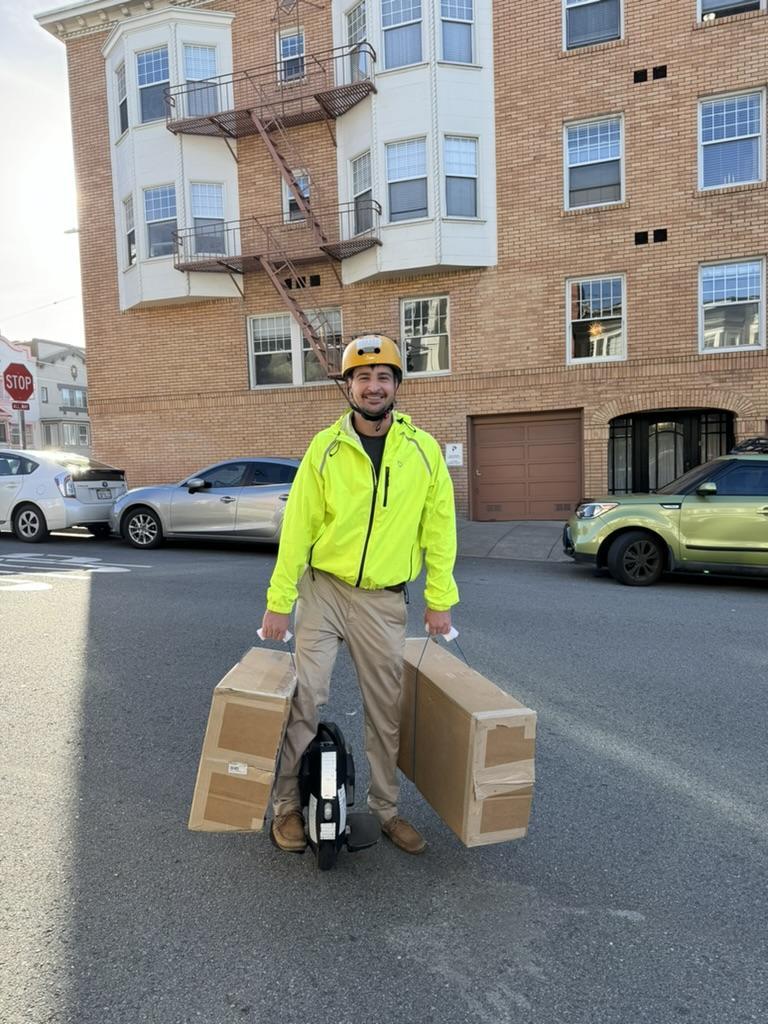
What I learned selling 2500 MIDI recorders, part 1: Hardware is not so hard
A year and a half ago, I launched Jamcorder.
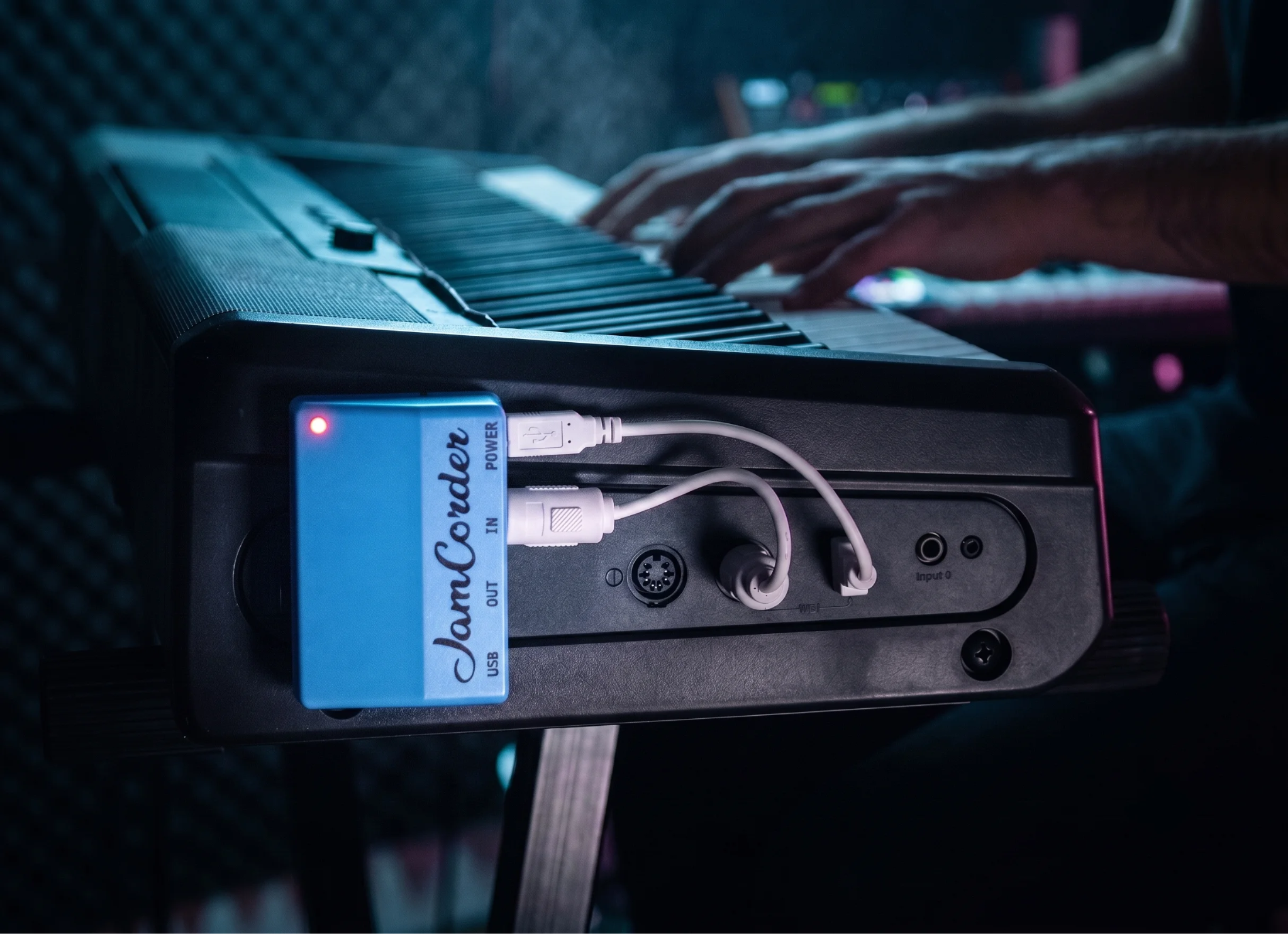
It marked the completion of two life goals of mine.
First, I finally had the piano recording device I’d always wanted: a fully automated device that captures everything I play, no human-involvement required.
And second, after a career in software, I got to build hardware. It was super fun.
2500 units have already been sold, and counting! People genuinely love it! And it’s able to stand on its own feet as a business. In my eyes, that’s a success.
For my first blog post, I want to reflect on the biggest surprise I encountered creating Jamcorder.
Hardware is not so hard
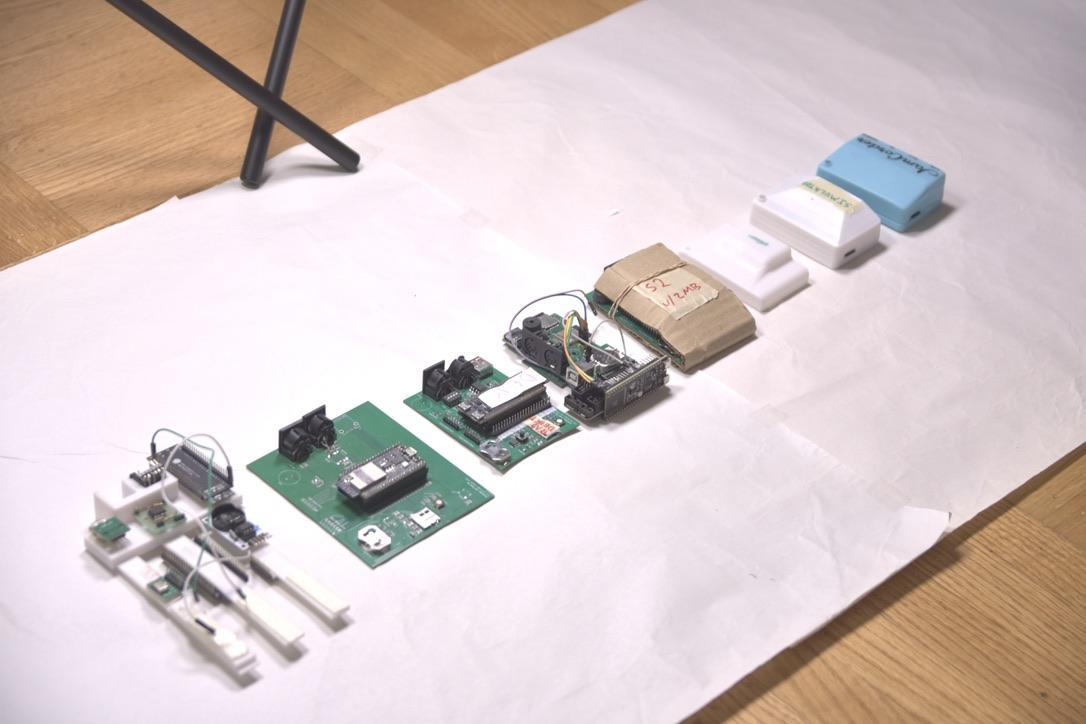
Coming from a career in software, I expected building hardware to be the hardest part.
After all, hardware is hard. That’s the saying, right?
Electronics design, plastics, manufacturing, fulfilment, component shortages, etc, etc, etc.
I expected these & more to make hardware hard.
But, it wasn’t.
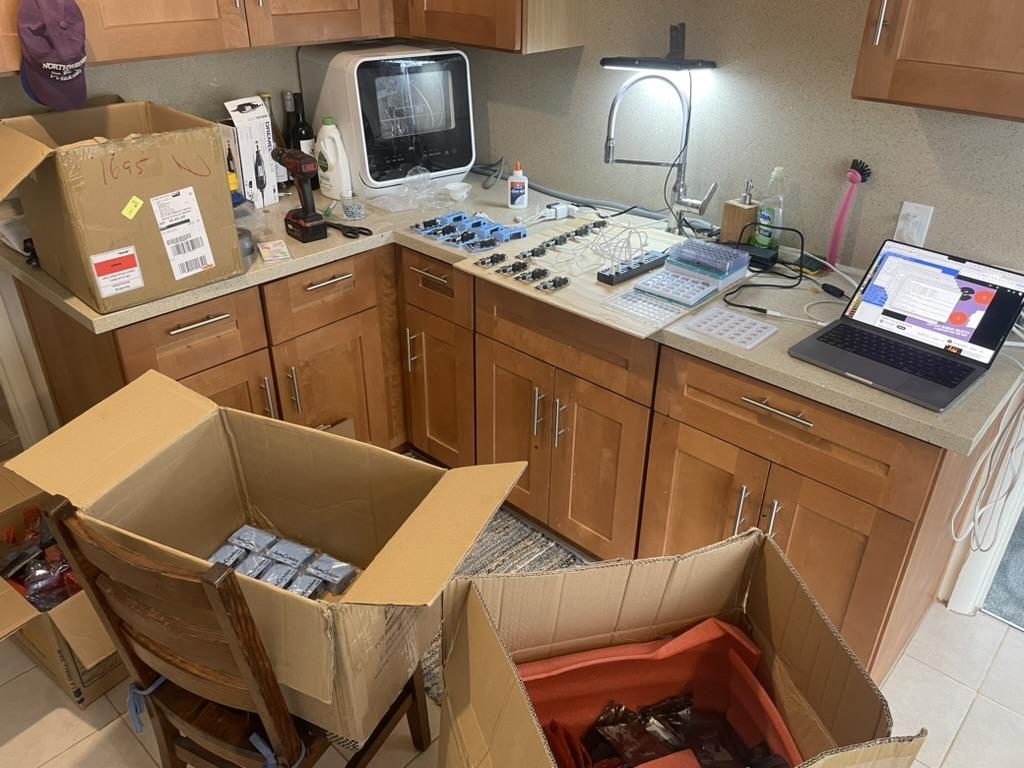
I kept waiting for something to get me by surprise. A scrapped production run (my worst nightmare). Or component sourcing issues, perhaps?
It never happened. (Though Trump’s tariffs were a close call).
The hardest part of building Jamcorder was still, by far, the software -- roughly 200K lines of code spread across the firmware, app, and manufacturing tooling. It took over 3 years and many long nights in a pre-LLM world.
When compared to that, the hardware was undeniably smooth sailing.
For the record, I don’t think I’m special. It’s just that hardware’s reputation for being difficult is, IMO, overstated.
Now, granted, Jamcorder is -- very much intentionally -- a simple device. I get that.
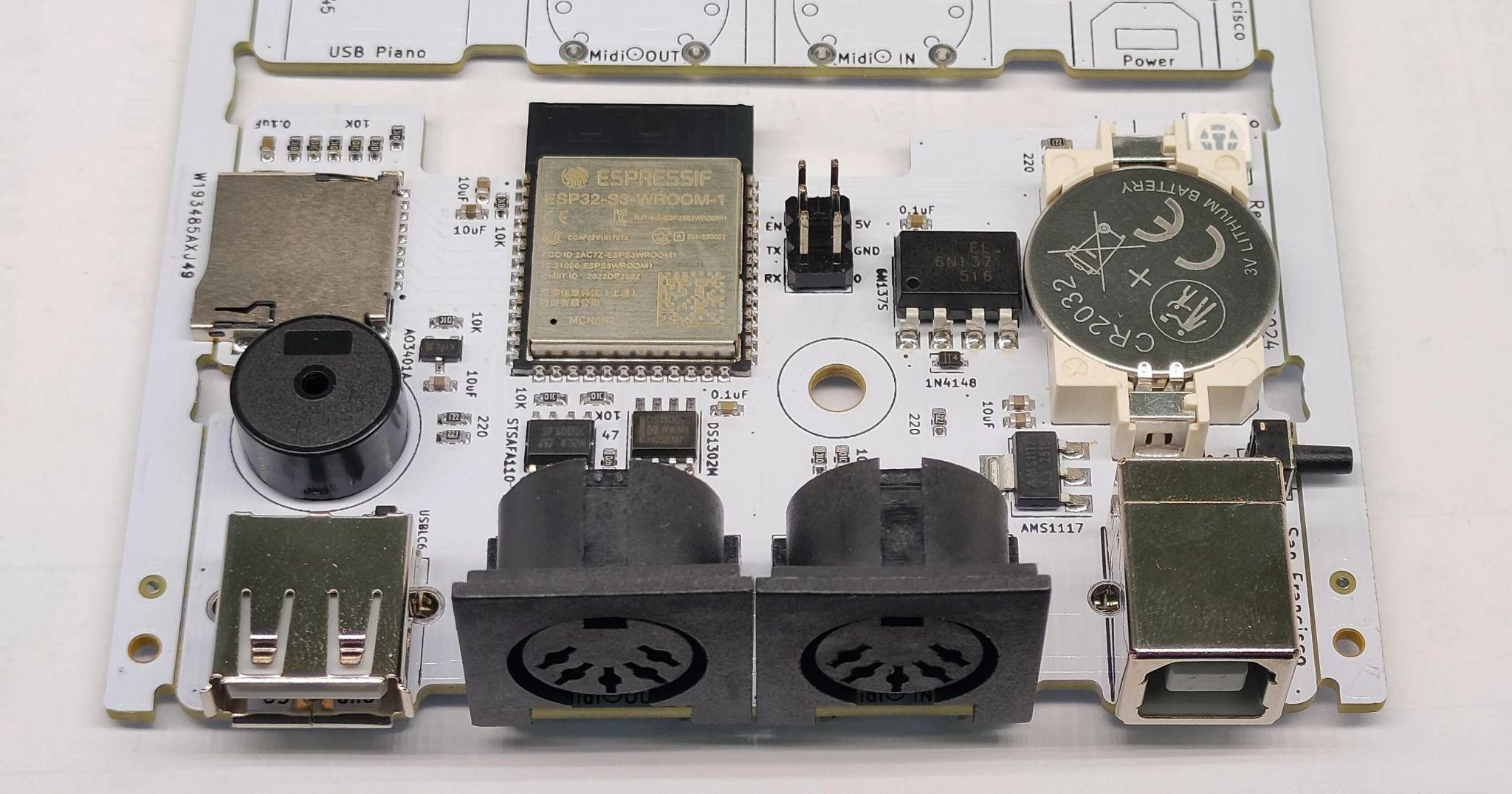
Assembly is just a single screw, for a single PCB. The injection mold has generous draft, no slides.
I cut low battery detection, ambient light detection, the power-button, even USB-C.
All these things kept Jamcorder simple.
I’m also under no illusion that 2500 units is a lot by most standards.
But you know what? The hardware side would have been easy regardless.
Don’t get me wrong. If Jamcorder was 10x more complex, or 100x more scale, that would be a different story (and a very popular product!).
Or if I was trying to compete in the smartwatch market, or the car market, or any number of very established industries with low margins, good luck.
But for me the take away still is: “hardware is as hard as you make it”.
If you’re thinking about building a hardware product & have a way to protect your margins, don’t let building hardware scare you.
It’s not as hard as the saying goes.
POSTSCRIPT
I don’t want to end this article without some practical take-aways. So here are my top recommendations for successfully shipping hardware that worked for me at medium scale:
- Keep your BOM simple. Avoid single-manufacturer components wherever possible.
- Avoid complex assembly and calibration.
- Partner with a Chinese assembly house and suppliers. Alibaba is your friend.
- Aim for at least 70% gross margin or more.
- Keep your company lean. Scaling hardware is slower.
- Have a strong anti-counterfeit strategy. Don’t overlook this.
- Do final Q/A in-house & hold finished inventory locally.
- Request samples before every production run.
- Write a step-by-step manufacturing & assembly guide with pictures.
- Keep your packaging small. A value dense product makes everything easier.